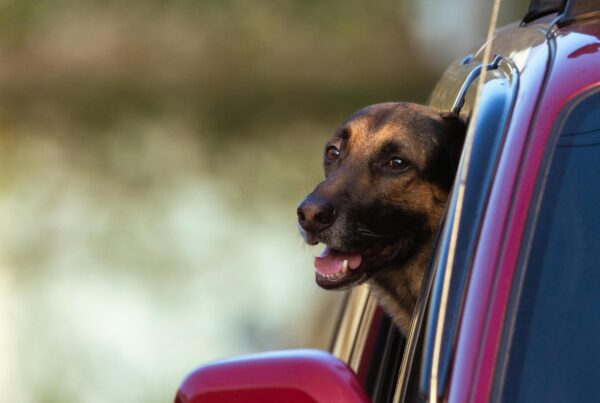
For many pet owners, it’s the same every year: once the first firecrackers and rockets are set off around the turn of the year, many dogs (and some cats) react with fear. No wonder, as our pets have a much keener sense of hearing than we do and can’t interpret the situation.
While some animals tolerate the noises surprisingly calmly, others become very unsettled or even panic. Tense posture, wide-open eyes, trembling, panting, hiding. This pronounced noise anxiety can also occur with thunderstorms or other sudden noise sources.
What you can do There are a few simple but effective measures to help your animal with mild nervousness or moderate fear:
- Create a retreat: Find a quiet room, close windows and doors, and lower the blinds. This shields noise and light flashes. A cuddly den, a crate, or a bed in a sheltered corner can add security. Many animals instinctively seek out such places – actively support this behavior.
- Stay calm: Your own composure transmits to the animal. Try to stay calm and not become nervous yourself. Note: this does not mean you should ignore your pet’s fear! If your dog or cat seeks attention in this situation, you may of course give it the closeness – the fear will not be reinforced or “rewarded.”
- Offer distraction: Put-together games, chews, or other activities can help redirect attention.
- Use background noise: Calming music or a running TV can help mask the bang sounds a bit and create a more relaxed atmosphere.
If that’s not enough:
For animals with strong fear, these measures often aren’t sufficient. In such cases it’s important to counteract in good time. As owners we have a duty to take away as much fear as possible for our animal companions. If we don’t, a cycle can develop where the fear grows each year. If possible, one option is to avoid the situation completely and plan an annual short trip for the “anxious patient” to a remote location – we understand this is more the exception and not realistic for many pet owners. 😉 A more practical solution is the use of medications to reduce the fear for this (limited to a few days a year) period as much as possible. We offer various anti-anxiety and calming medications that can be tailored to your animal – in form, dosage, and duration of use. It’s important to know that purely sedative agents that only calm the animal without reducing the fear are not suitable. The animal experiences the same panic as before, but can no longer show it!
Don’t wait too long:
For some medications it’s important to start several days in advance. Please contact us in good time. We’ll gladly advise you in person and together find the best solution for your pet so that the turn of the year passes as calmly as possible for everyone involved! We look forward to your visit! 😊